
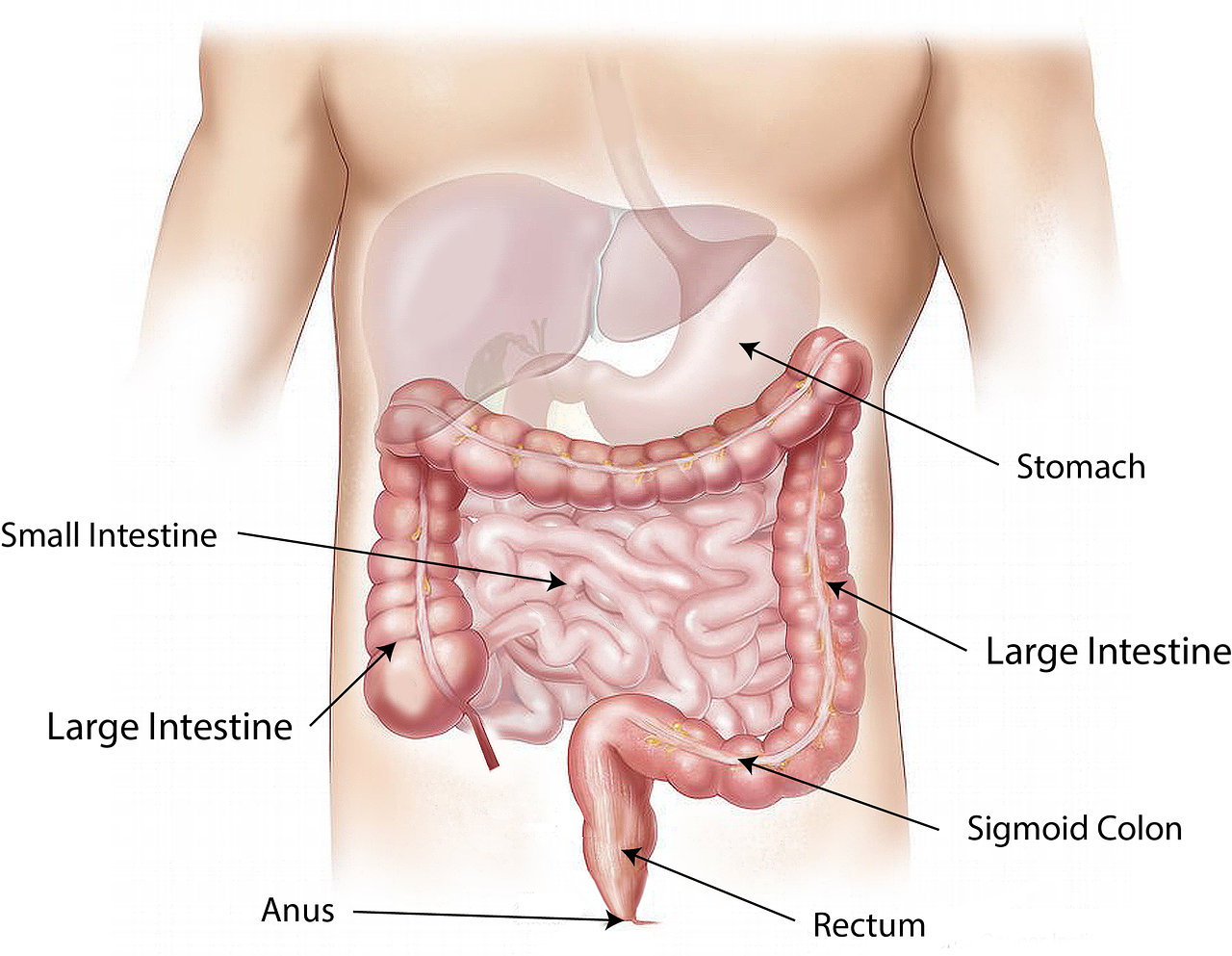
The most effective way to detect the growth of colorectal polyps is with a colonoscopy. Colon polyps can prevent the digestive system from absorbing valuable nutrients. Depending on the location and size of the polyp, it can cause abdominal pain, obstruct the normal flow of stool, cause diarrhea, constipation, bleeding or anemia.
If a polyp, which is an abnormal growth, if left untreated can become cancerous and spread to other parts of the body.
There are many questions surrounding colon polyps. The American College of Gastroenterology explains why you should be concerned about colon polyps.
 What is a colon polyp?
A colon polyp is a small growth on the inner lining of the large intestine, some of which can progress into cancer. Polyps may be scattered throughout the colon and vary in size from a few millimeters to several centimeters. Polyps may have a flat or raised appearance. When raised they can resemble small bumps (called sessile), or even grow on short stalks (called pedunculated), resembling a mushroom or small cauliflower.
Why are colon polyps so important?
Colon polyps are important because of their known relationship to colon cancer, which is the third leading cancer in the US, and the second leading cause of cancer related death. It is well established that most colon cancers arise from colon polyps. By identifying and removing colon polyps during colonoscopy, we can prevent their progression to cancer and ultimately save lives.
Are all colon polyps cancerous?
The vast majority of polyps are NOT cancerous or even pre-cancerous. The polyps without the potential to turn into cancer include small hyperplastic polyps, inflammatory polyps, and hamartomatous polyps which are not part of an inherited polyp syndrome. The precancerous polyp which can turn into a cancer is called an adenoma. The two most common types of colorectal polyps are hyperplastic polyps and adenomas. Usually, the larger the size of the adenoma, the greater the chance that there may be cancer or pre-cancerous cells present in the polyp. Since it is hard to determine the exact nature of a polyp, polyps found during colonoscopy are removed and sent to the lab for a microscopic analysis.
Check back with us next week when we discuss how long a colon polyp takes to become cancerous, the symptoms of colon polyps, and their causes. Until then, contact Gastroenterology Consultants of Central Florida.