
Pancreatic Cancer is on the rise, particularly among individuals under the age of 55 and younger women. The American Cancer Society estimated around 67.530 new cases in the U.S. in 2026.
The pancreas is a vital gland located in the abdomen that plays a dual role in your health: it acts as a central player in the digestive system and serves as a command center for blood sugar regulation.
When functioning properly, it seamlessly processes the food you eat and balances energy throughout your body. However, when issues arise, it can lead to severe health complications, including diabetes, pancreatitis, and pancreatic cancer.
Anatomy of the Pancreas
Extending horizontally across the back of the abdomen, the pancreas sits behind the stomach.
Location & Structure: Its larger “head” section connects to the duodenum (the first part of the small intestine) on the right side of the body, while its narrow “tail” extends to the left side near the spleen.
Pancreatic Duct: A central duct runs the length of the organ, joining the common bile duct from the liver before opening into the small intestine to deliver digestive fluids.
Functions: How the Pancreas Works
The pancreas carries out two distinct, essential functions daily:
1. Digestive Function (Exocrine System)
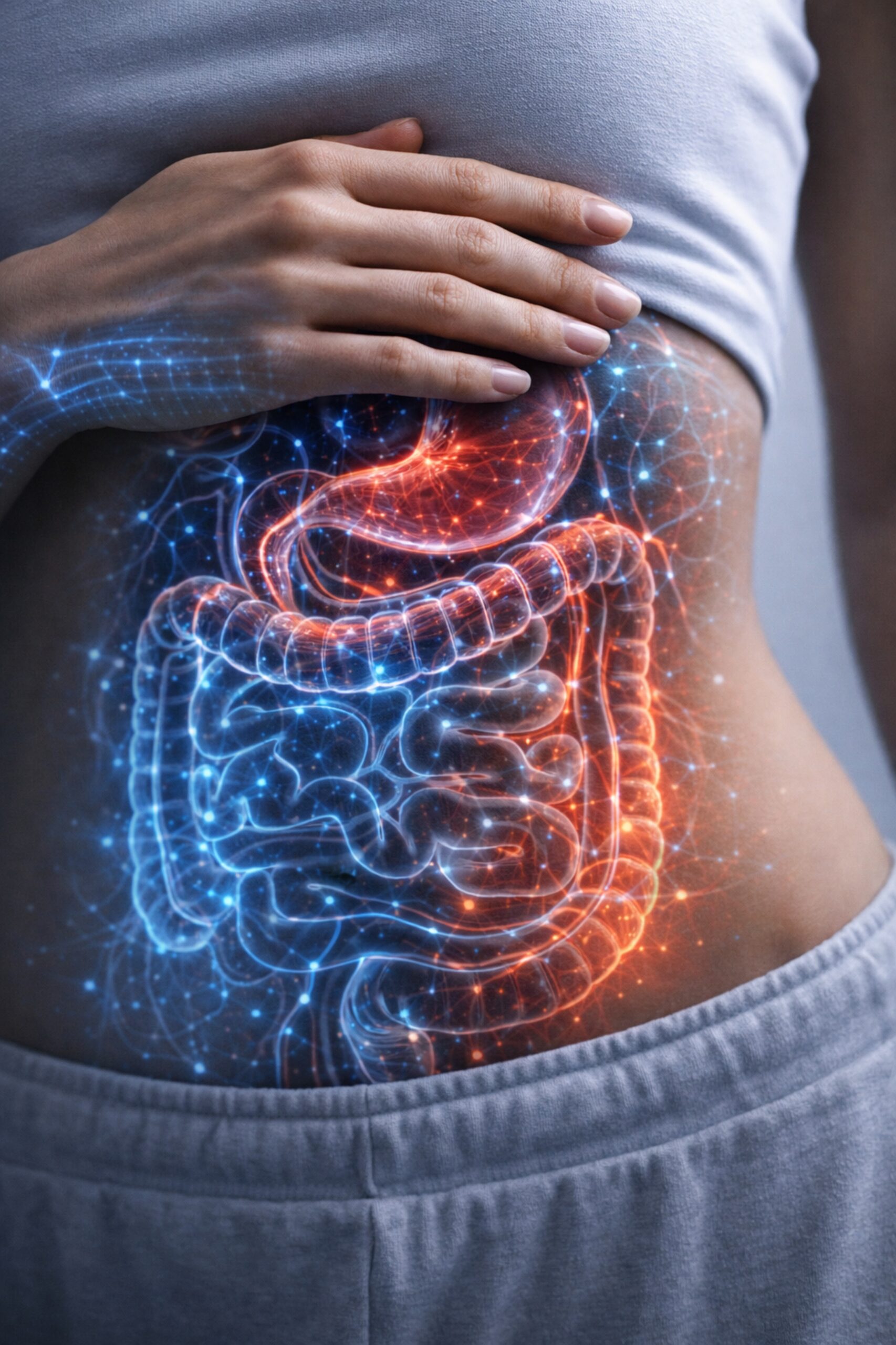 The exocrine tissue secretes an alkaline pancreatic juice into the duodenum containing powerful enzymes that break down complex food particles into absorbable nutrients:
Trypsin and Chymotrypsin: Break down proteins.
Amylase: Digests carbohydrates into simple sugars.
Lipase: Deconstructs fats into fatty acids and cholesterol.
2. Hormonal Function (Endocrine System)
Continuously monitor and balance blood glucose levels using two key hormones:
Insulin: Released by beta cells when blood sugar rises. It prompts cells to take up glucose for energy and signals the liver to store excess glucose as glycogen.
Glucagon: Released by alpha cells when blood sugar drops. It prompts the liver to break down stored glycogen into glucose, releasing it back into the bloodstream.
Common Disorders of the Pancreas
When the pancreas becomes damaged or fails to function correctly, the effects ripple throughout the body, leading to poor nutrient absorption or disrupted blood sugar control.
Pancreatitis
Pancreatitis occurs when the pancreas becomes inflamed. If digestive ducts become blocked by gallstones or tumors, pancreatic juices build up inside the organ, causing it to begin digesting its own tissue.
Acute Pancreatitis
A sudden, severe spike in inflammation. While relatively rare, it requires immediate emergency care with fluids and pain management. Symptoms include intense abdominal pain, swelling, nausea, vomiting, and fever.
Chronic Pancreatitis:
Persistent inflammation often caused by recurring acute episodes or long-term alcohol abuse. Over time, it causes permanent organ damage, leading to chronic back and abdominal pain, severe weight loss, jaundice, and secondary diabetes.
Hereditary Pancreatitis
A progressive, inherited form linked to mutations in specific genes (like PRSS1 and SPINK1), requiring lifelong management of pain and enzyme deficiencies.
Secondary Diabetes
If the endocrine tissue is damaged by chronic inflammation, trauma, or disease, the pancreas may stop producing sufficient insulin, resulting in high blood glucose levels and secondary diabetes.
Pancreatic Cancer
Pancreatic cancer develops in the tissues of the organ. Because early stages rarely present obvious symptoms, it is often diagnosed in advanced stages, making it one of the most challenging cancers to treat.
Risk Factors: Smoking, heavy alcohol use, chronic pancreatitis, obesity, diabetes, and certain stomach or liver conditions.
Symptoms: Upper abdominal pain that radiates to the back, jaundice (yellowing of skin/eyes), unexpected weight loss, nausea, and pale or fatty stools.
Treatment: Treatment typically involves a combination of surgery, chemotherapy, and radiation, alongside palliative measures to manage discomfort.
Maintaining a Healthy Pancreas
Protecting your pancreas requires supporting both its digestive and metabolic workload:
Limit Alcohol Consumption: Heavy alcohol use is a leading cause of acute and chronic pancreatitis.
Maintain a Balanced, Low-Fat Diet: High-fat meals strain the pancreas by requiring higher enzyme production.Focus on lean proteins, whole grains, fruits, and vegetables.
Stay Hydrated: Adequate fluid intake keeps pancreatic juices flowing smoothly through the pancreatic duct.
Avoid Smoking: Tobacco use is one of the primary preventable risk factors for pancreatic cancer.
Manage Weight and Blood Sugar: Regular physical activity helps maintain healthy insulin sensitivity, reducing the metabolic stress placed on your endocrine system.
Summary
The pancreas is a power-packed organ essential for turning food into fuel and keeping blood sugar in a safe range.Because conditions like acute pancreatitis require urgent medical attention and pancreatic cancer often develops silently, paying attention to abdominal pain, digestive changes, and unexplained weight loss is crucial.
Adopting a lifestyle low in alcohol and processed fats while avoiding tobacco is the best way to safeguard your pancreatic health for the long term.