
Have you ever experienced sudden, intense stomach pain after a heavy or greasy meal? Or sharp discomfort radiating beneath your right ribcage or between your shoulder blades?
These classic warning signs often point to a common, yet highly painful, gastrointestinal condition: gallstones and gallbladder dysfunction.
If you or a loved one are experiencing severe abdominal pain, nausea, or digestive distress, seeking a timely evaluation from a gastroenterologist is essential to prevent serious complications.
What Is a Gallbladder Attack?
A gallbladder attack (biliary colic) occurs when gallstones temporarily block the ducts that carry bile from the gallbladder to the small intestine. This blockage causes pressure to build up inside the organ, leading to sudden and severe pain.
Key Symptoms of a Gallbladder Attack:
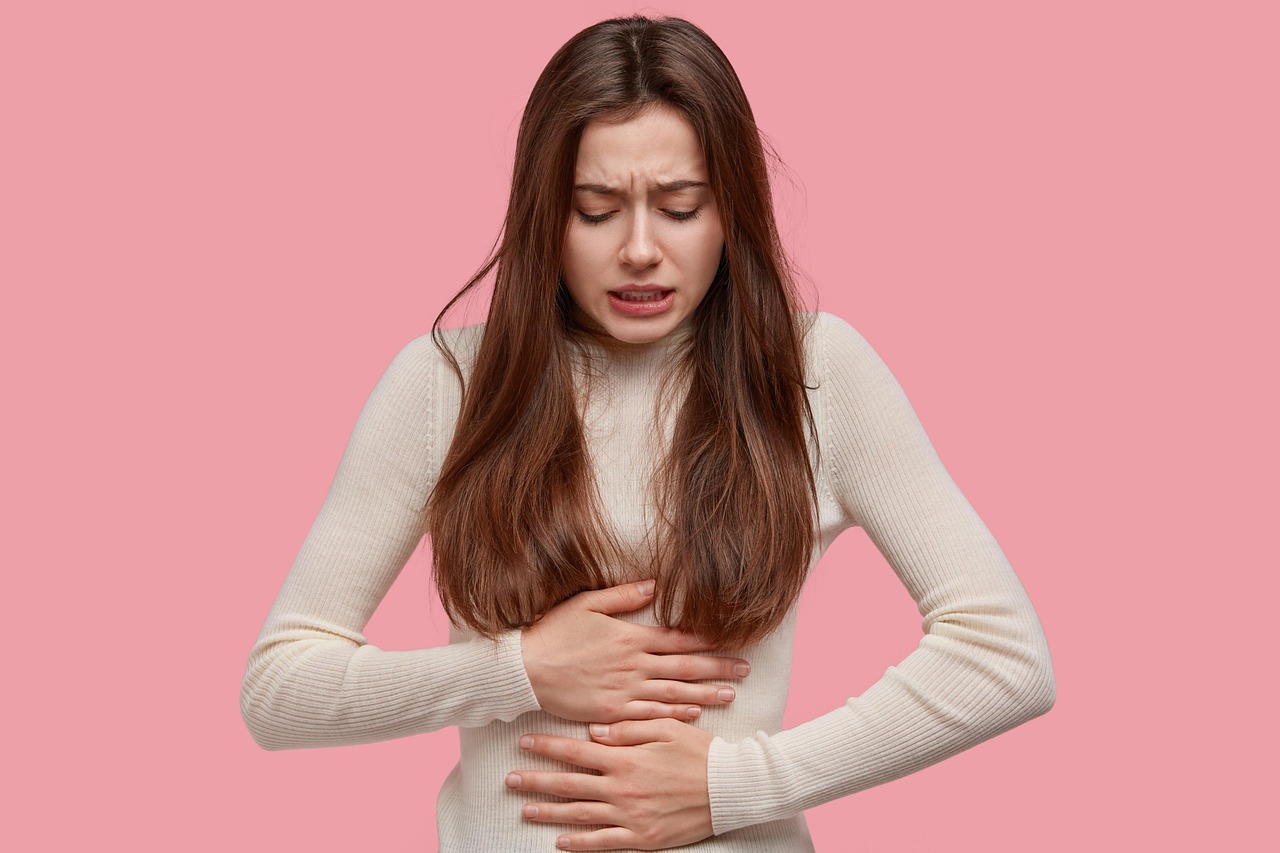 Sudden, Intense Abdominal Pain: Typically located in the upper right quadrant of the abdomen (under the right ribcage) or in the upper center of the stomach.
Radiating Pain: Discomfort that spreads upward to the right shoulder or between the shoulder blades.
Post-Meal Triggers: Pain that routinely begins 30 to 60 minutes after eating, especially following high-fat, greasy, or heavy meals.
Nausea & Vomiting: Persistent digestive upset accompanying sharp abdominal pain.
Fever & Chills: Systemic symptoms that indicate potential gallbladder inflammation (cholecystitis) or infection.
Jaundice: Yellowing of the skin or the whites of the eyes caused by a buildup of bilirubin.
Changes in Stool & Urine: Noticeably dark urine or pale, clay-colored stools caused by blocked bile ducts.
If You Have Gallstones, You Are Not Alone
Gallbladder disorders are among the most frequent digestive issues treated by gastroenterologists:
High Prevalence: An estimated 20 to 25 million Americans suffer from gallbladder dysfunction or gallstones.
Age & Gender Trends: By age 60, up to 20% of women and 10% of men develop gallstones. Women are significantly more susceptible due to fluctuations in estrogen and progesterone, which can increase cholesterol levels in bile and slow gallbladder emptying.
What Causes Gallstones?
The gallbladder is a small, pear-shaped organ located beneath the liver that stores and concentrates bile—a fluid necessary for digesting fats.
Gallstones form when bile contains too much cholesterol or bilirubin, or when the gallbladder does not empty properly. Over time, these substances crystallize into hard deposits. Gallstones can range in size from a tiny grain of sand to a large golf ball, and even small stones can cause intense pain if they lodge in the bile ducts.
How Are Gallstones Diagnosed?
Diagnosing gallbladder issues begins with a clinical evaluation and simple, highly effective diagnostic tests:
Medical History & Physical Exam: Your GI provider will review your symptom patterns, meal triggers, and medical history.
Blood Tests: Laboratory work checks for elevated liver enzymes, signs of infection, or bile duct blockages.
Abdominal Ultrasound: An ultrasound is a non-invasive, painless imaging test that uses sound waves to visualize the gallbladder. Because the gallbladder is a hollow, fluid-filled organ, solid gallstones, gallbladder wall thickening, and fluid accumulation show up clearly on ultrasound scans.
Take Charge of Your Digestive Health
Ignoring gallbladder symptoms can lead to severe complications, including pancreatitis, severe infections, or chronic inflammation. If you are experiencing persistent abdominal pain after meals or signs of a gallbladder attack, early evaluation gives you the best care options.