
Did you know that bloating, abdominal pain, and changes in your bowel habits may be signs that it’s time to see a gastroenterologist? Irritable bowel syndrome (IBS) affects millions of people, including thousands of adults throughout Central Florida. While IBS is a common digestive disorder, many people don’t realize that effective treatments are available.
Here are a few important facts you should know about IBS.
IBS Symptoms Can Vary
IBS affects everyone differently. Some people primarily experience constipation (IBS-C), while others have diarrhea (IBS-D). Some alternate between both constipation and diarrhea (IBS-M).
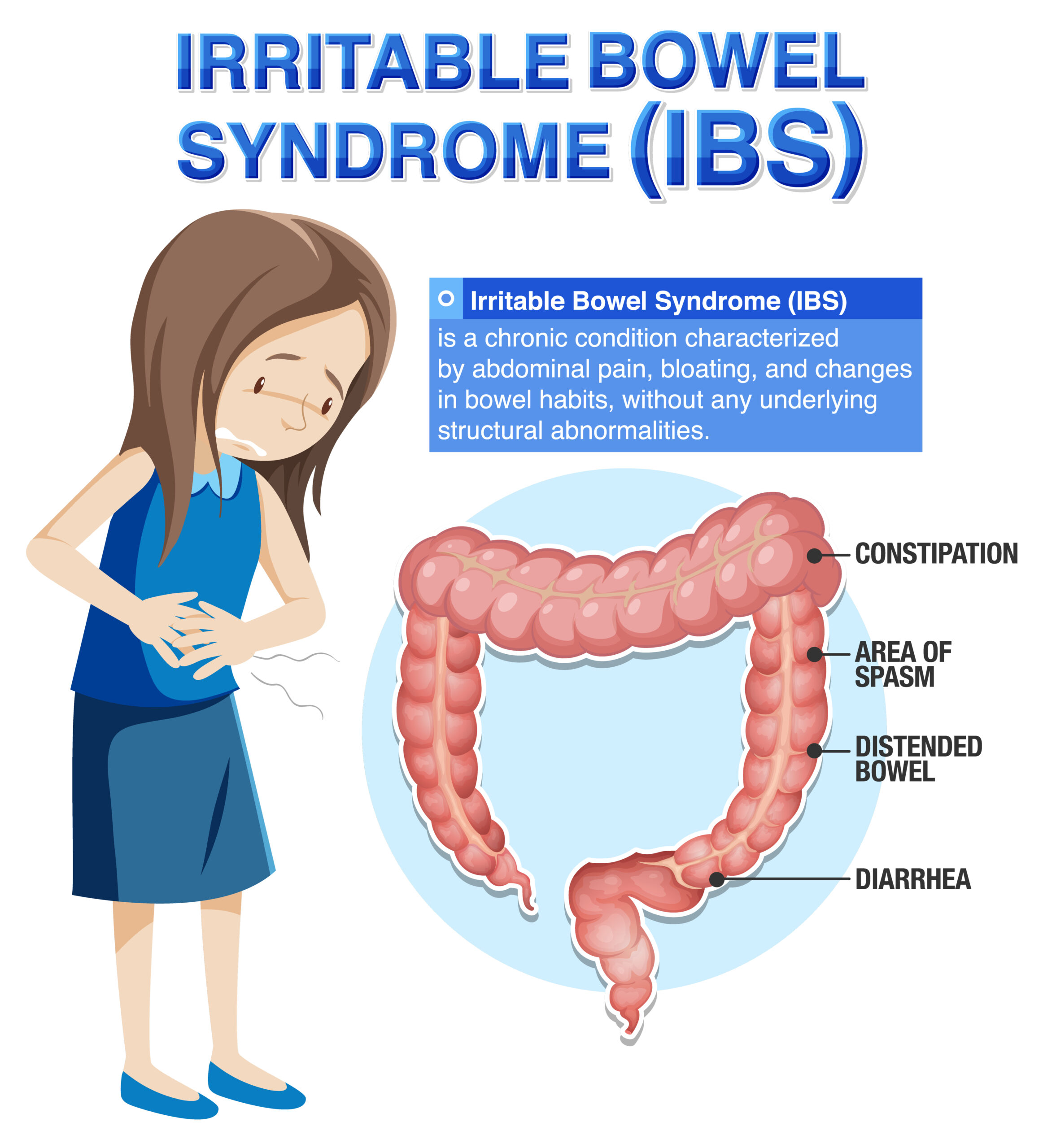 Common symptoms include:
Abdominal pain or cramping
Bloating
Excess gas
Changes in bowel habits
Diarrhea, constipation, or both
Discomfort that often occurs after eating
If you notice persistent bloating, abdominal pain, or changes in your bowel habits, schedule an appointment with a gastroenterologist. However, if you experience severe abdominal pain, persistent vomiting, blood in your stool, unexplained weight loss, or fever, seek prompt medical attention, as these symptoms may indicate a more serious condition.
IBS Isn’t Just a Gut Problem
For many years, IBS was considered a functional gastrointestinal disorder, meaning patients experienced symptoms even though medical testing showed no structural abnormalities.
Today, researchers have a much better understanding of the condition. Studies suggest that IBS involves disruptions in the communication between the digestive system and the brain, commonly known as the gut-brain axis. The enteric nervous system, which controls many digestive functions, works closely with the brain and spinal cord. When this communication becomes disrupted, it can contribute to IBS symptoms such as pain, bloating, and altered bowel habits.
Women Are More Likely to Develop IBS
Although IBS can affect anyone at any age, symptoms often begin before the age of 50. Research has shown that women are approximately twice as likely as men to develop IBS.
Researchers continue to study why women experience IBS more frequently. According to an article published by AARP, research led by gastroenterologist Dr. Lin Chang at the University of California, Los Angeles, suggests that hormonal changes, particularly declining estrogen levels during menopause, may affect communication between the brain, gut, and microbiome. These changes may contribute to increased bloating, abdominal pain, and changes in bowel habits in women who have IBS.
Stress and Infections Can Trigger IBS
The exact cause of IBS remains unknown, but several factors may contribute to its development or trigger symptom flare-ups. These include:
Food poisoning
Gastrointestinal infections
Significant or chronic stress
Anxiety or depression
Changes in the gut microbiome
While these factors do not necessarily cause IBS, they may increase the likelihood of symptoms developing or worsening.
Lifestyle Changes and Treatment Can Help
Although there is no cure for IBS, many patients successfully manage their symptoms through lifestyle changes, dietary modifications, stress management, and medications prescribed by their physician. Because research continues to improve our understanding of IBS, new treatment options are becoming available.
At Gastroenterology Consultants of Central Florida, we are proud to participate in clinical research studies at our Orlando office, helping advance the future of IBS treatment while providing patients with access to innovative care. Our team of board-certified gastroenterologists and compassionate staff is committed to delivering high-quality, patient-centered digestive healthcare.
If you are experiencing symptoms of IBS, don’t ignore them. Contact Gastroenterology Consultants of Central Florida to schedule an appointment and learn about the latest treatment options available.