
Gastrointestinal and digestive issues are easy to overlook, despite their overwhelming prevalence. For instance, have you ever thought that your stomach ache could be something more than “something you ate? This typically stems from a lack of understanding. According to the American College of Gastroenterology, those who have gastrointestinal pain or discomfort, don’t realize exactly how the symptoms came about or how to go about effectively managing them.
To gain a better understanding, here are some common gastrointestinal conditions. If any these turn into something persistent, affects your everyday life, or quality of life, it is time to consult a gastroenterologist, who specializes in the entire digestive system, diagnosis, treatment, and prevention of a variety of gut issues.
You Have Severe Cramping After Eating
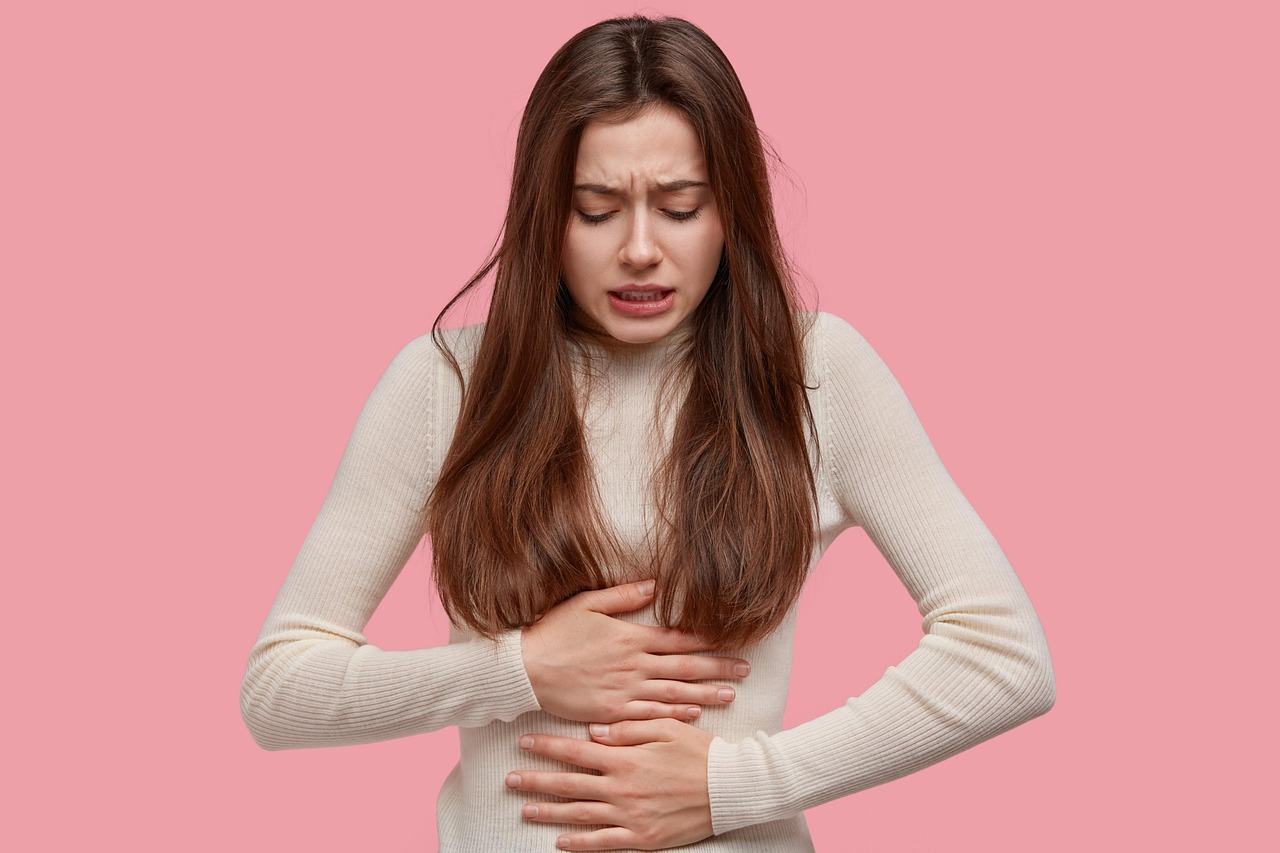 Severe cramping after you eat is often times an indication of a bowel obstruction. Which is a serious condition that requires medical treatment immediately. It is also a well known symptom of irritable bowel syndrome (IBS).
This chronic digestive disorder has increased significantly over the past years. Other symptoms of IBS include bloating, constipation, diarrhea, and abdominal pain.
Sudden Severe Abdominal Pain
If you’re having sharp pain that isn’t letting up, can point towards an acute appendicitis (if the pain is on the lower right side), a serious infection, or diverticulitis.
If your abdominal pain doesn’t let up or keeps escalating, it can indicate something serious and it’s time to see a specialist.
If Your Heartburn Is Getting More Frequent Or Severe
It may be common to have the occasional heartburn, typically uncomfortable, burning sensation in your chest. Often easily treated with over the counter medication. But if your heartburn is getting worse, more frequent, or stop responding to over the counter medication, it may indicate gastroesophageal reflux disease (GERD).
GERD is a disorder that affects the valve between your esophagus and stomach. If left untreated can lead to serious issues such as narrowing or erosion of the esophagus or Barrett’s esophagus, a precancerous condition. In rare cases, it can indicate a hiatal hernia or esophageal cancer.
Swollen Abdomen
We all have felt that bloated feeling after a large meal, but there is a difference between dissension and bloating. If symptoms, a bigger stomach in circumference or puffing out, occur well past the time your meal has digested, it can indicate an obstruction in the small intestine, bacterial overgrowth, inflammation, or even gastrointestinal disease.
If you or a loved one has a question about their digestive health, please don’t hesitate to contact Gastroenterology Consultants of Central Florida, we work with you, your primary care physician, and your insurance company to ensure a treatment protocol that is designed to meet your specific needs.