Non-Alcoholic Fatty Liver Disease is a quickly growing health concern in Central Florida. It is often linked to metabolic health issues such as high blood pressure, high cholesterol, obesity, type 2 diabetes, poor diet, and a sedentary lifestyle. Other factors can include certain medications, genetics, and rapid weight loss.
Symptoms of Non-Alcoholic Fatty Liver Disease
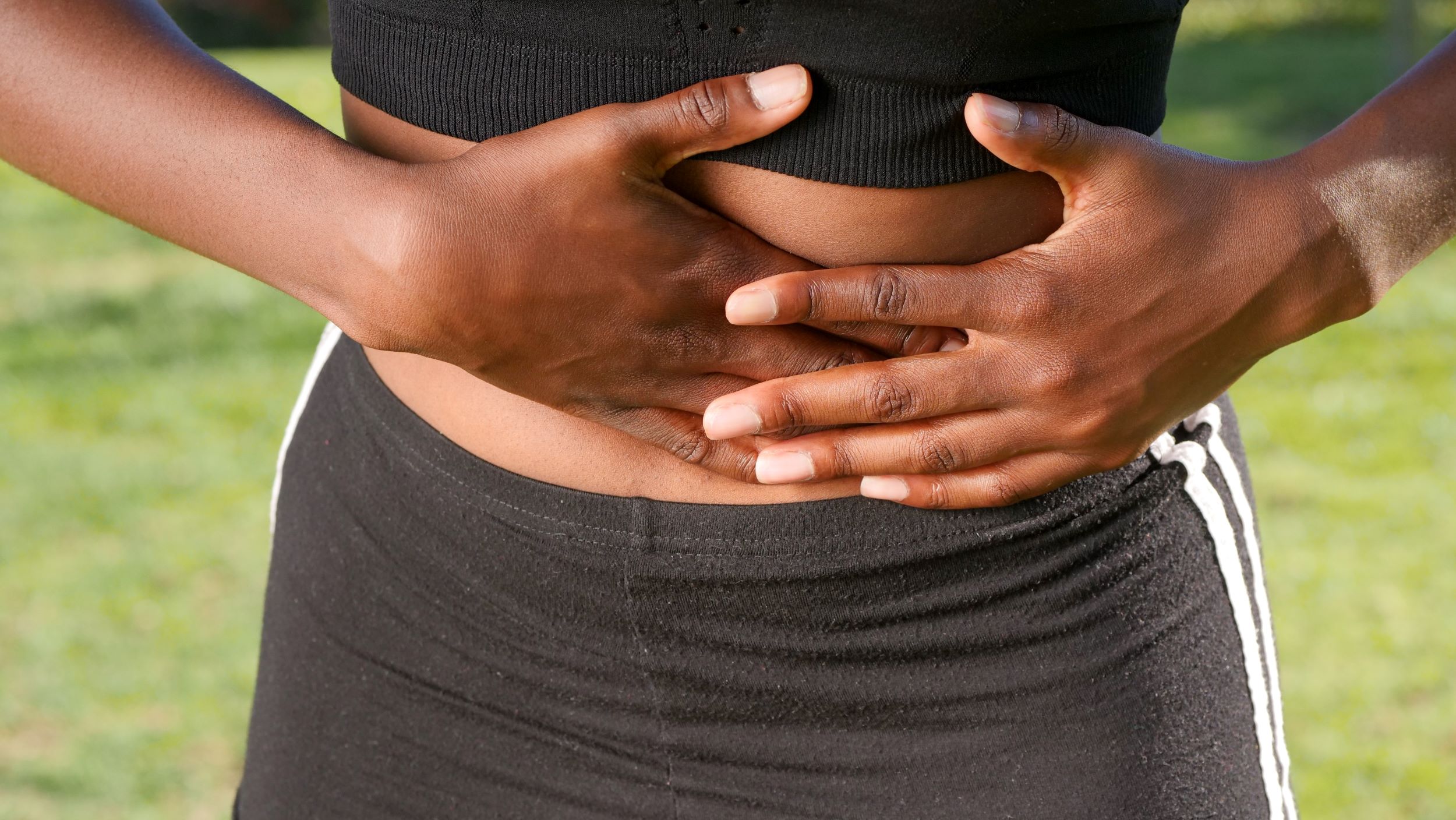 Inflammation and liver damage can occur when fat accumulates in the liver. It’s also known as the “silent” condition because symptoms aren’t usually experienced until the disease has progressed.
Routine bloodwork shows elevated liver enzymes
A dull pain or discomfort in your upper right abdomen.
Fatigue or unexplained weight loss.
The progression of NAFLD can lead to Non-Alcoholic Steatohepatitis (NASH). This is when liver inflammation and scarring happen. Which can turn into cirrhosis, fibrosis, and even liver cancer
Risk Factors of Non-Alcoholic Fatty Liver Disease
While anyone can be affected by NAFLD, it is more common with those with risk factors.
Individuals with insulin resistance or obesity
Adults of 40 years of age.
Those with a family history of liver disease
People with low HDL cholesterol or high triglycerides
Patients with PCOS or sleep apnea
Conditions related to lifestyle are becoming increasingly prevalent, making proactive liver screening very important, especially for those individuals who are at-risk.
How Is Non-Alcoholic Fatty Liver Disease Diagnosed?
Because Non-Alcoholic Fatty Liver Disease typically doesn’t have symptoms. The first sign of NAFLD is a higher than normal level of liver enzymes that turn up on a blood test, which means your liver is injured.
According to the Cleveland Clinic, making a diagnosis by your provider may include performing:
-
- A medical history that includes questions about your conditions, how much alcohol you drink and which medicines you’re taking.
- A physical exam to check for signs of inflammation, like an enlarged liver, or signs of cirrhosis, like jaundice.
- Imaging procedures, including an ultrasound, CT scan (computed tomography scan) or MRI (magnetic resonance imaging), to check your liver for signs of inflammation and scarring. They may order a specialized ultrasound called FibroScan® to learn the amount of fat and scar tissue in your liver.
- A liver biopsy (tissue sample) to determine how far the liver disease has progressed. A liver biopsy is the only way to distinguish MASLD from MASH.
The physicians at Gastroenterology Consultants of Central Florida take the time to provide excellent medical care to all patients and their families in a manner committed to enhancement of the partnership between patient and the provider.
We work with you, your primary care physician, and your insurance company to ensure a treatment protocol that is designed to meet your specific needs.